
From Diagnosis to Recovery: Starting Therapy for DID
June 10, 2025
The Science Behind EMDR: Why It’s Effective for PTSD and Trauma
June 25, 2025
Any unspoken pain can shape lives in both silent and destructive ways. The emotional numbness, flashbacks, and sudden outbursts indicate the deeper wounds that never heal entirely. For several individuals, trauma stays on way past the triggering event, leaving its huge imprints upon relationships, personal growth, and health. The therapeutic journey starts whenever the inner stories shift from survival to self-worthiness, and it is where professional help can add wonders to one’s life. Life helps to redefine itself with the right route chosen for the trauma recovery treatment.
Why Trauma Recovery Deserves Deep and Individual Focus
Each survivor of traumatic events carries a different narrative. Knowledge of the depth and variety of their experiences remains the key before diving into the following healing approaches with emotional insights.
Safe Environments Rebuild Emotional Trust
The only things that destroy trust are trauma, with others, and with oneself. Emotionally, reclaiming safety initiates with a space where one feels secure, genuinely heard, and well-respected. Silence no longer takes refuge; however, it implies the weight that gets lifted in a nonjudgmental environment.
Therapists offering trauma counseling in Columbus emphasize creating soothing, supportive spaces, helping survivors regain better control over their story. A staunch sense of safety can help the clients engage completely in the therapeutic process, while exploring the earlier experiences at their own pace, building yet new emotional foundations.
Personalized Counseling Supports True Emotional Unfolding
Every trauma story needs its dedicated approach. The pre-set models or templates often risk reducing the distinctive challenges that the survivors carriers. Counseling turns effective only when it aligns with the individual and not any other way around.
An expert trauma recovery counselor in Columbus offers streamlined care aligned to each person’s emotional readiness, cultural background, and communication style. Instead of imposing stringent protocols, these professionals blend sensitivity and science to support in-depth personal growth and transition.
Healing The Body To Heal The Mind
Trauma gets embedded into the nervous system of a person. Insomnia, chronic pain, rigid muscles, or gastrointestinal issues indicate the unprocessed trauma. Conventional mental health approaches overlook how much the body is bearing the emotional stress.
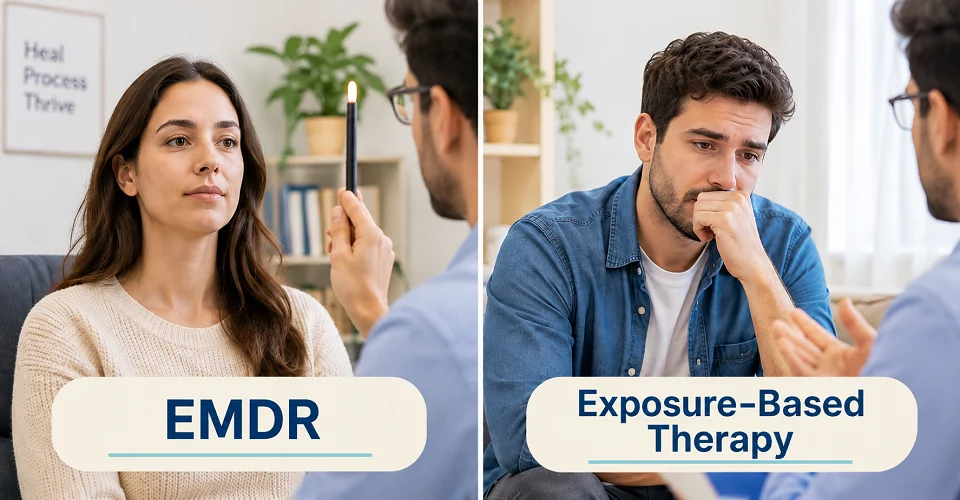
EMDR Therapy can help bridge the gap. As the client starts processing the painful memories, engaging in guided eye movements tends to relax the body and ward off the intrusive symptoms. Pairing the body-based interventions with the emotional job creates a more fulfilled and sustainable healing endeavor.
Ongoing Support Shapes Sustainable Change
A single approach forms the breakthrough to the path to permanent healing. Trauma recovery involves consistency with constant support that builds confidence, helping with the effective management of life’s ups and downs. Shifts are natural, and a steady mode of guidance helps the survivors to stay grounded.
Knowing about ways to support your loved one in trauma healing can enrich this path. Both family and friends play a vital part in reinforcing the progress that emerges from the therapy room. Lasting healing becomes highly attainable with consistency and empathy, as offered under expert care.
Group Therapy Adds Connection and Shared Growth
Isolation often increases the trauma effects. Shame traps individuals into silence. Shared spaces like the group sessions offer validation through compassionate listening or mutual stories. Hearing the term “me too” forms the healing moment of recognition.
Those who compare CBT vs EMDR for trauma treatment complement both approaches that reduce loneliness, offering emotional scaffolding. The participants witness the breakthroughs of one another with the collective strength that replaces any lingering individual fear.
Cultural Sensitivity Enhances Therapeutic Impact
Trauma recovery should never erase identity. Survivors of all walks of life might be wounded concerning race, gender, sexuality, or religion. Preserving and embracing these strata can quicken some trust and enhance healing.
Systemic cultural narratives are included in environments through therapists who are trained to identify systemic trauma. This is especially crucial in dealing with traumas associated with Post Traumatic Stress Disorder (PTSD), where cultural stigma can otherwise put someone off seeking help. The process of reclaiming emotional safety thus includes affirming one’s identity.
Helping Children Heal Early Prevents Lifelong Struggles
Childhood trauma shapes how the brain and body develop. Unaddressed, the childhood wounds will reverberate into life after childhood, either as worry, academic, or relationship problems. Early intervention develops emotional fortitude that follows throughout advanced years.
Play therapy, art expression, and guided storytelling help young minds verbalize tough feelings. Through age-appropriate approaches, healing is introduced without obliging verbal explanations. Responding to children allows breaking the generational cycle and providing them with the resources their parents did not receive.
Setbacks Are a Normal Part of the Healing Process
Progress rarely moves in a straight line. A breakthrough in emotions may follow days of exhaustion or confusion. This roller coaster tends to disappoint clients who expect immediate results.
A 2022 meta-analysis in Psychological Medicine reports that it is normal to show inconsistent results during trauma recovery, as symptom severity might briefly elevate when under effective treatment. Understanding that this is part of the natural healing process aids survival prospects, but not self-doubt.
Empowerment Becomes the Heart of Recovery
Trauma can strip individuals of their sense of agency. Rebuilding that power becomes central to long-term healing. Empowerment does not dismiss the past; it acknowledges the courage it took to pull through and uses it as a new drive towards a purpose.
A study conducted by the National Center of PTSD highlights that empowerment-based interventions can be instrumental in enhancing better outcomes with trauma, particularly in populations with experiences of interpersonal violence. The enhanced autonomy, choice, and voice in the therapy contribute to better emotional outcomes and sustainable recovery.
Long-Term Goals Anchor the Healing Journey
When instant suffering becomes a little mellow, clients will tend to refer to the upcoming aspirations. Recovery provides access to purpose, relationships, creativity, and career aspirations that had been shelved. Setting new visions becomes a symbol of hope.
Counseling helps translate those dreams into real steps. Emotionally developed survivors have life goals to keep them oriented and motivated. Hope is not just a sentiment held on the inside but an act of everyday life based on choice and meaning.
Conclusion
Every trauma journey deserves patience, support, and expertise. The process of healing is individual, with different people finding their way through it through techniques, compassion, trust, and empowerment. Reclaiming life after trauma is not only possible but also powerful. Columbus Care Center provides personal advice to individuals who are willing to overcome the past and enter resilience. Contact us to begin your healing journey today.