
How Faith Helps Build Emotional Resilience During Difficult Times
June 26, 2026
EMDR vs Traditional Therapy: Understanding the Differences
July 6, 2026
Emotional wounds are hardly visible, and yet they deeply impact how a person’s thought process works every day. Trauma caused by childhood adversity, grief, abuse, mishaps, violence, or other painful experiences leaves deep, embedded scars. And these scars impact mental, emotional, and physical well-being. Although people say time heals all wounds, trauma continues to linger, continuing its impact on daily life.
Professional trauma recovery therapy in Columbus, mental health experts assist people in processing their painful experiences. This also helps build healthier coping mechanisms and regain a better sense of control. So, instead of managing symptoms, this approach addresses the root of emotional pain, supporting enduring recovery with greater confidence and resilience.
Understanding Emotional Trauma
A clear definition of trauma is an emotional response to a single or a series of events overwhelming a person’s ability to deal with their current situation. Although such traumatic experiences are instantly identifiable, others gradually develop through prolonged stress or frequent exposure to challenging situations.
The typical causes of emotional trauma are:
- Physical, emotional, or sexual abuse
- Domestic violence
- Loss of a loved one
- Serious accidents or injuries
- Natural disasters
- Military combat
- Medical trauma
- Childhood neglect
- Workplace harassment or bullying
People respond to trauma in their own ways. What once seemed manageable to one person has a huge emotional impact on another. This highlights the importance of professional evaluation and tailored treatment plans when seeking trauma counseling in Columbus, Ohio.
Signs That Emotional Wounds May Need Professional Attention
Trauma surfaces gradually and doesn’t reveal itself sooner. At times, emotional wounds stay hidden for months or even years before they start to disrupt one’s life.
Some common signs include:
- Persistent anxiety or fear
- Depression or hopelessness
- Flashbacks or intrusive memories
- Difficulty trusting others
- Sleep disturbances or nightmares
- Social withdrawal or avoidance
Identifying these significant signs of high-functioning trauma is key to successful healing. It assists people in seeking support at the right time, gaining better insight into their experiences, and beginning to build healthier emotional patterns with professional help.
What Is Professional Trauma Counseling?
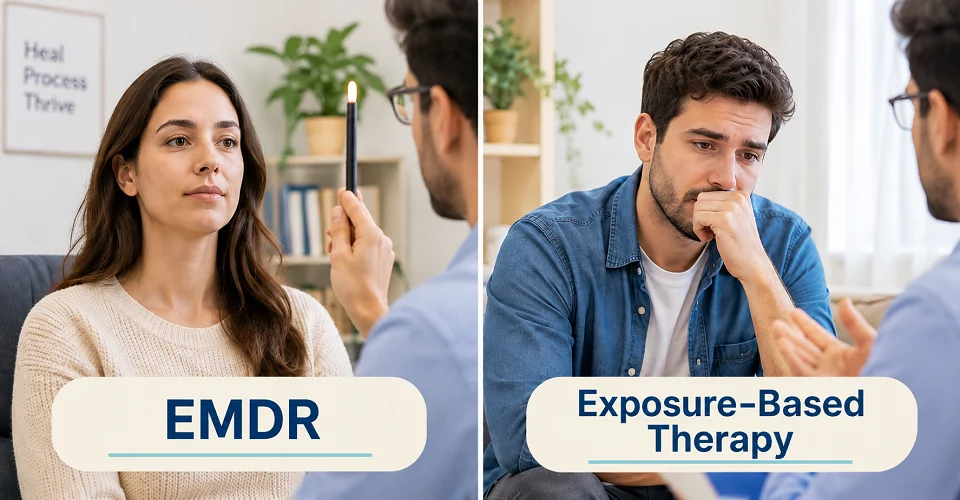
Professional trauma counseling is the clinical form of psychotherapy designed to help people understand, process, and recover from their traumatic experiences. Licensed therapists, in their sessions, implement evidence-based approaches tailored to each person’s unique experiences, emotional needs, and recovery goals, including the EMDR therapy process.
Instead of pushing people into reliving their painful memories, trauma counseling builds a supportive space where healing happens slowly and safely. This healing process aims to reduce emotional distress, enhance coping skills and rebuild a healthier sense of self.
The Benefits of Professional Trauma Counseling
Professional trauma counseling offers the most supportive route for individuals processing painful experiences and starting to heal from their emotional wounds.
Provides a Safe and Judgment-Free Environment
Professional trauma counseling builds a discreet, safe space to support people to openly discuss their traumatic experiences without the fear of being judged or criticized. Having an emotional protective barrier fosters trust, eliminates anxiety, and supports meaningful progress across the therapeutic journey.
Building Emotional Safety
- Encourages honest emotional expression
- Creates confidential therapy sessions
- Reduces fear of judgment
- Strengthens therapeutic trust
A supportive space can help people feel valued, heard, and empowered to begin healing from emotional wounds with confidence.
Helps Process Traumatic Experiences
Traumatic memories can be emotionally stressful when left unaddressed. Professional counselling helps people safely process their experiences, reducing emotional distress and supporting a healthier outlook and long-term emotional recovery.
Processing Painful Memories
- Identifies unresolved emotional pain
- Reduces the distressing memory impact
- Encourages healthier emotional responses
- Promotes lasting emotional healing
Trauma processing with professional support enables people to look beyond their painful experiences and achieve better emotional well-being. Even trauma therapy to treat dissociative disorder can support long-term recovery plans.
Reduces Symptoms of Anxiety and Depression
Trauma left unresolved leads to ongoing anxiety, depression and emotional distress that disrupts daily life. According to reports shared by the World Health Organization (WHO), depression impacts around 280 million people from all around the globe. This highlights how widespread emotional distress turns into when left unaddressed.
Improving Emotional Well-Being
- Reduces excessive anxious thoughts
- Improves emotional regulation skills
- Encourages positive thought patterns
- Restores emotional stability gradually
As emotional signs decrease, people begin to experience improved daily functioning, better health, and a renewed sense of hope.
Builds Healthy Coping Skills
Professional trauma counseling helps people to stay equipped with practical coping strategies that would replace unhealthy habits with healthier emotional responses. Such skills will build resilience and enhance the ability to deal with life’s ongoing complexities.
Developing Positive Coping Strategies
- Teaches effective stress management
- Encourages mindful daily practices
- Improves emotional self-awareness
- Promotes healthy decision-making
Healthier coping mechanisms provide enduring emotional support, helping people respond to future complexities with resilience and confidence. These strategies for emotional healing post-trauma strengthen recovery while supporting lasting well-being.
Improves Relationships
Trauma builds emotional barriers that disrupt communication, trust, and meaningful connections. Through counseling people can develop healthier interpersonal skills while strengthening their emotional connections with those around them.
Strengthening Personal Connections
- Improves healthy communication skills
- Rebuilds trust with others
- Encourages emotional vulnerability safely
- Promotes healthier relationship boundaries
Stronger relationships become a key source of encouragement, emotional support, and stability throughout the recovery process.
Conclusion
Making an effort to relieve your emotional pain takes time. At Columbus Care Center, trauma counseling is offered to provide a compassionate hand to each person as they move toward peace, stability, and renewed hope.
Reach out today to connect with experienced professionals who are ready to support your healing and guide your next step. Contact us now to schedule your confidential consultation and receive compassionate, expert trauma support!
Frequently Asked Questions
Can therapy help someone who has experienced trauma a long time ago?
Certainly! Emotional aftereffects can emerge long after, and counseling helps individuals make sense of those delayed aftereffects while also helping them grow personally and recover.
Is it normal to feel emotionally exhausted after a trauma counseling session?
Definitely. Emotional processing can leave you feeling drained for some time, but getting enough rest, drinking water, and practising self-care often help you bounce back.
In what ways can you support someone attending trauma counseling?
A few ways family members can show support for each other are to be patient, give space, encourage, be consistent, and listen compassionately without making them feel uncomfortable.