
What to Know Before Starting Faith-Based Counseling in Columbus
August 19, 2026
How Couples Therapy Can Help Partners Rebuild Closeness
September 2, 2026
Quick AnswerLocating the right dissociative disorder therapist involves looking past general trauma experience. You need someone who’s trained mainly to treat dissociation, comfortable with your pace, and who explains their approach clearly. |
Having to live with dissociative disorder can turn any ordinary day into something extremely unpredictable. You may cautiously lose track of time or feel disconnected from what’s happening around you. You might even detect changes in memory or identity that are hard to explain to people who are not dealing with your condition.
These experiences can isolate a person. That is why the right specialist support matters. A therapist with years of experience in handling this condition can help you feel less isolated in what life is taking you through. Opting for dissociative disorder therapy in Columbus means you need not reach far out to locate that type of understanding and specialized care.
What Dissociative Disorder Really Means
To explain clearly, dissociative disorder is a mental health condition where an individual’s sense of identity, awareness, or memory becomes disconnected from present experience. Often, it surfaces as a mind’s way of dealing with extreme stress, trauma, or events that are extremely painful to process.
Prevalence of Dissociative Disorder in the U.S.
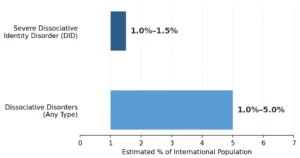
*Source: NIH, Dissociative Identity Disorder – StatPearls
This condition comes in a couple of different forms, including:
- Dissociative identity disorder
- Depersonalization-derealization disorder
- Dissociative amnesia
- Other specified dissociative experiences
Each form may appear differently from one person to another. This is the reason why symptoms are often mistaken for depression, anxiety, or just feeling stressed.
Since these symptoms are often missed for years, finding a dissociative disorder therapist in Columbus can make a huge difference. They can help gather an accurate diagnosis and the best-suited care.
Your Guide to Choosing the Right Therapist
Here are a couple of factors to consider as you look for the right therapist and the best type of specialist support.
Check Their Training in Dissociation Specifically
Not all therapists treating trauma have the same level of expertise in dealing with dissociation. Because these are two different areas, they require different skills and pacing. Look for therapists with experience in specific courses or certifications in this niche area of care.
What to Ask About Their Background
- Total years of experience in treating dissociation
- Specific type of training they completed
- Number of similar clients they’ve worked with
- Do they consult with other specialists
This single factor can determine how comfortable and well understood you feel throughout treatment. Therapists who have experience in dealing with different types of dissociative disorders are more prepared to detect your symptoms sooner and with accuracy.
Talk About How They Handle Overwhelming Moments
At times, dissociation can worsen before it improves, especially at the start of treatment. A skilled therapist should clearly explain what they would do if a session becomes extremely intense or stressful for you.
Signs They Handle This Well
- A clear plan for tough moments
- Simple grounding techniques you can use
- Willingness to slow down when needed
When a therapist fails to explain their care plan, that will be a red flag for you. A well-paced, steady trauma recovery therapy should never leave you feeling more stressed than when you started.
Ask What Else They Treat Alongside Dissociation
The signs of dissociation hardly show up as a single factor. They are often associated with depression, anxiety, or difficult past memories. A therapist who treats the whole picture can offer complete, well-connected support over time.
Related Concerns Worth Mentioning
- Ongoing anxiety or panic
- Low mood or depression
- Trouble with eating or sleep
Being upfront about everything you are dealing with helps a therapist build a plan that actually fits your full situation. The most effective trauma therapy for dissociative disorder treatment often addresses these overlapping concerns together, not separately.
Notice How Comfortable You Feel With Them
The relationship between you and your therapist matters just as much as their training. Feeling safe enough to be honest, even about hard or confusing experiences, is a big part of real progress.
What a Good Fit Feels Like
- You feel heard, not judged
- Sessions feel steady and predictable
- You leave sessions feeling a little lighter
It is okay to try a session or two before deciding if someone is truly the right long-term match for you and your ongoing healing needs.
Sort Out the Practical Details Early
Cost, scheduling, and session format can quietly affect whether therapy actually works long-term. Sorting these details out early helps you avoid stress or interruptions once treatment is already underway and progress has started.
Details Worth Confirming First
- Session cost and payment options
- In-person or online availability
- How often sessions typically happen
A few quick questions upfront can save you time, money, and frustration once you’re further along in treatment.
Common Therapy Approaches at a Glance
The table below offers a quick overview of common approaches therapists may use.
| Approach | Primary Focus | Often Used For |
|---|---|---|
| EMDR | Reprocessing traumatic memories | Trauma tied to dissociative symptoms |
| DBT | Building emotional regulation skills | Managing intense emotional shifts |
| Internal Family Systems (IFS) | Understanding different identity states | DID and complex dissociation |
| Sensorimotor Psychotherapy | Body-based trauma processing | Grounding and body awareness |
| Trauma-Focused CBT | Restructuring trauma-related thoughts | Co-occurring anxiety or depression |
Take the Next Step Toward Healing
Choosing a therapist is a personal decision, and there is no need to rush it. Take your time, ask questions, and trust your instincts about who feels like the right fit for you and your healing process.
Columbus Care Center offers experienced, compassionate care for people navigating dissociative disorders, with a team that understands how important the right fit really is. Contact us today and take the first step toward feeling more like yourself again.
Frequently Asked Questions
What is the difference between DID and depersonalization disorder?
DID involves distinct identity states, while depersonalization disorder centers on feeling detached from yourself or reality without separate identities forming.
Will I need medication along with therapy?
Not always, though medication may sometimes help manage related symptoms like anxiety or depression alongside your ongoing therapy sessions each week.
Can children be diagnosed with dissociative disorders too?
Yes, though diagnosis in children can be more complex, and symptoms are often addressed through specialized, age-appropriate therapeutic approaches instead.